

For me, the answer comes fast and without much agonizing: Paulo Coelho’s The Alchemist. And before anyone reaches for the comments to defend it, let me say up front that I love this book. I’ve read it more than once. I’ve recommended it to friends going through hard transitions. I’ve underlined sentences and gone back to them on bad days. That’s exactly why the ending bothers me. You only argue this passionately about the books you actually care about.
So let me explain what I’d change, and why I think the “perfect” ending might not be the most honest one.
A Quick Refresher (Spoilers Ahead, Obviously)
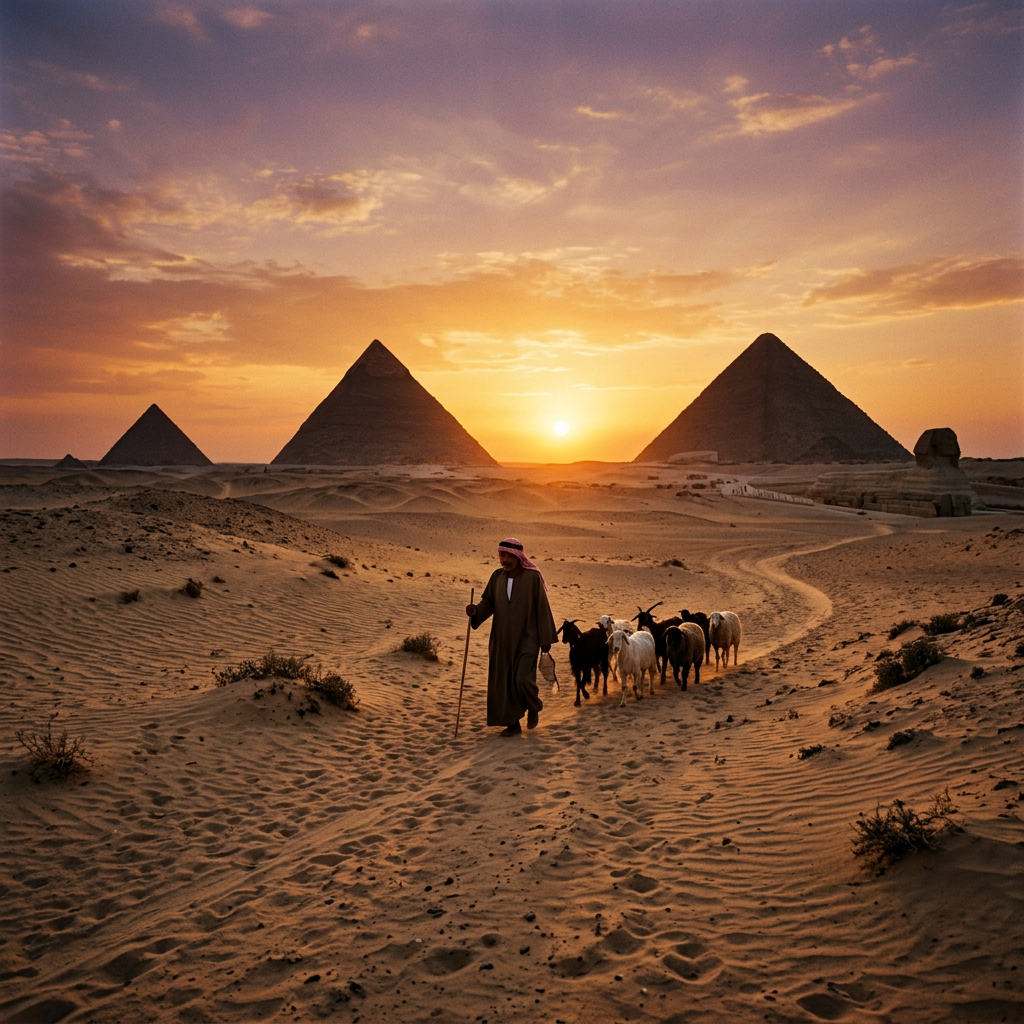
If you haven’t read it, here’s the shape of the story. Santiago is a young shepherd in Andalusia who keeps having the same dream about treasure waiting for him at the Egyptian pyramids. Encouraged by a mysterious king who tells him about following his “Personal Legend,” he sells his flock and sets off. He crosses into Africa, gets robbed, works in a crystal shop, joins a caravan across the desert, falls in love with a woman named Fatima at an oasis, and eventually meets the alchemist who guides him the rest of the way.
The whole journey is built around one big idea: when you truly want something, the universe conspires to help you achieve it. Santiago learns to read omens, to listen to his heart, to trust the path even when it terrifies him.
And then he reaches the pyramids. He digs. He’s attacked by thieves who beat him and take what little he has. As they leave, one of them mocks him, saying he himself once dreamed of treasure buried under a sycamore tree in a ruined church back in Spain, but he wasn’t foolish enough to chase a dream across the world. Santiago realizes the treasure was buried where he started, back home, the entire time. He returns and digs it up. Gold, jewels, the works. The book ends with him heading back to Fatima, rich and fulfilled.
It’s elegant. It’s circular. It’s the kind of ending creative writing teachers point to as a clean payoff. And that’s sort of my problem with it.
What I’d Change
I would have Santiago arrive at the pyramids and find nothing. No literal gold. No buried chest. Nothing to dig up at all.
Hear me out. The entire book spends two hundred pages insisting that the journey is the point, that the real treasure is the transformation, that learning to listen to your heart and read the language of the world is the actual reward. Santiago becomes braver, wiser, more alive. He learns to turn himself into the wind, for goodness’ sake. And then, at the last moment, the book hedges its bet and hands him an actual chest of gold anyway. It’s as if the story doesn’t fully trust its own message. It spends the whole journey saying “the gold isn’t the point” and then makes very sure to give him the gold.
In my version, Santiago digs at the pyramids and comes up empty. He sits in the sand, exhausted and broke, and for a moment everything feels like a cruel joke. And then it lands: he isn’t the same boy who left Spain. He can speak to the desert. He understands the omens. He found a love worth returning to. The “treasure” was never going to be something he could carry in his hands. He laughs, maybe cries a little, and walks back toward Fatima with nothing in his pockets and everything in his chest.
No buried gold waiting back home. No tidy financial reward. Just a man who set out poor and returns poor but completely changed, and who finally understands that this was always the deal.
Why the Tidy Ending Undercuts the Book
I think the original ending is popular precisely because it’s comforting. It promises that following your dreams pays off in a way you can measure, count, and spend. Quit your job, chase your passion, and the universe will literally make you rich. That’s a seductive promise, and it’s a big part of why the book sells so well.
But it’s also the least interesting version of the message. Real personal legends don’t usually come with a treasure chest at the end. People who follow their hearts often end up with something far less convenient than gold: a different kind of life, a hard-won sense of self, a peace that doesn’t show up on a bank statement. The braver ending, the one I think the book earns but doesn’t take, is the one where the reward is purely internal and Santiago is okay with that.
That ending would ask more of the reader, too. It would force you to sit with the uncomfortable question of whether you’d take the journey if there were no gold at the end. And honestly, that’s the question the book is really about.
The Counterargument I Keep Losing To
Here’s the thing, and the reason I keep coming back to this book instead of dismissing it. The fans who push back on me have a genuinely good point. They argue that the gold is symbolic, that Coelho is using a fable structure where the literal treasure stands in for the spiritual one, and that fables are allowed to be a little neat because that’s the whole tradition they come from. You don’t read Aesop and complain it was too on the nose.
There’s also a kinder reading of the ending: the treasure being back home, in the very spot where Santiago first had the dream, is the actual lesson. You had to leave to understand what you already had. The journey wasn’t wasted; it was the only way to see home clearly. Under that reading, the gold isn’t the reward for the journey, it’s the proof that the dream was real all along, and that meaning can wait for you in the most ordinary place.
I find that genuinely beautiful. I just wish the book had picked a lane. As written, it wants the spiritual payoff and the material one, and I think you have to choose.
So, What About You?
That’s my pick, and I’ll happily defend it over coffee for longer than anyone wants. But the prompt is open to everyone, so I’m curious where you land. Maybe you’d save a character who didn’t deserve their fate. Maybe you’d give a bleak novel one shaft of light, or take a too-happy one and let it end honestly. Maybe there’s a final page you’ve rewritten in your head so many times it feels more real than the published one.
Whatever it is, I’d love to hear it. Which ending would you change, and would you make it kinder or crueler than the original?
Drop your answer in the comments. I promise not to argue too hard. Probably.

Leave a Reply